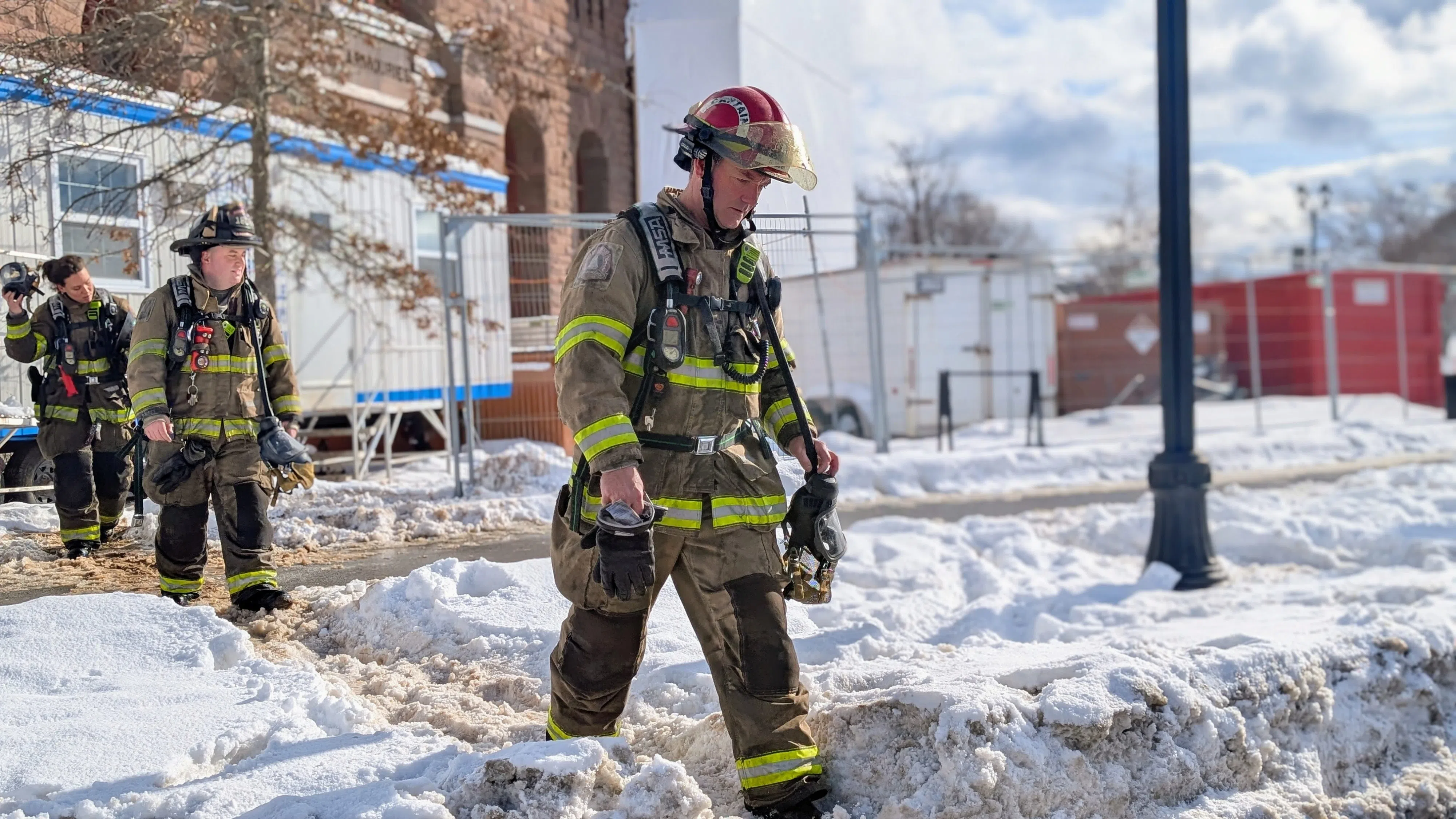
Nova Scotia is introducing sweeping changes to how fire services are overseen and supported across the province through new legislation aimed at improving safety, training, and accountability.
The Support for Fire Protection Services Act, unveiled Tuesday, creates formal provincial oversight for municipally led fire services under the Department of Emergency Management. The province will also establish an Office of the Fire Commissioner to guide municipalities, set standards, and monitor compliance. Existing fire commissions and non‑municipal fire services will continue operating as they do now.
Minister of Emergency Management, Kim Masland, says the legislation is in response to decades of concerns and multiple reports that were never acted on. “We know gaps in training standards and safety provisions have had real consequences,” she says. “We can and we must do better.”
The Act grants the province authority to implement province‑wide standards for firefighter training and certification, personal protective equipment, and municipal planning and reporting over 3 years.
Municipalities, whether they directly run fire departments or not, will be required to complete a Fire Protection Services Review to assess community needs, training levels, and equipment readiness. The province will also offer a new Records Management System to track training, inspections, equipment, and incident data, with costs covered for participating municipalities.
Masland says the province is committed to supporting training and reducing financial pressures on volunteer departments. She highlighted cases where firefighters “passed the hat” to cover fuel costs or relied on community fundraisers to buy breathing equipment. “That’s not right,” she says, pledging expanded access to Level 1 training by bringing instructors directly to local departments rather than requiring firefighters to travel.
President of the Fire Service Association of Nova Scotia, Greg Jones, tells reporters the sector has been seeking change for 50 years. “They want meaningful change, and this is a start,” he says.









Comments